GX Network
The Sacred Vibration: How Reggae Music Became the Voice of Rastafari
Reggae music and Rastafari consciousness are inseparable. Born from the same soil of Jamaica, nurtured by the same struggles of African diaspora, they have evolved together as spiritual expression and cultural resistance. To understand reggae is to understand a profound movement of the people seeking truth, justice, and divine connection.
The Roots Run Deep
The emergence of reggae in the late 1960s coincided with the rise of Rastafari as a powerful spiritual and social force. While ska and rocksteady preceded it, reggae’s slower, meditative tempo and hypnotic one-drop rhythm created the perfect vessel for Rastafari reasoning and Ital consciousness. The music’s heartbeat became the heartbeat of a movement.
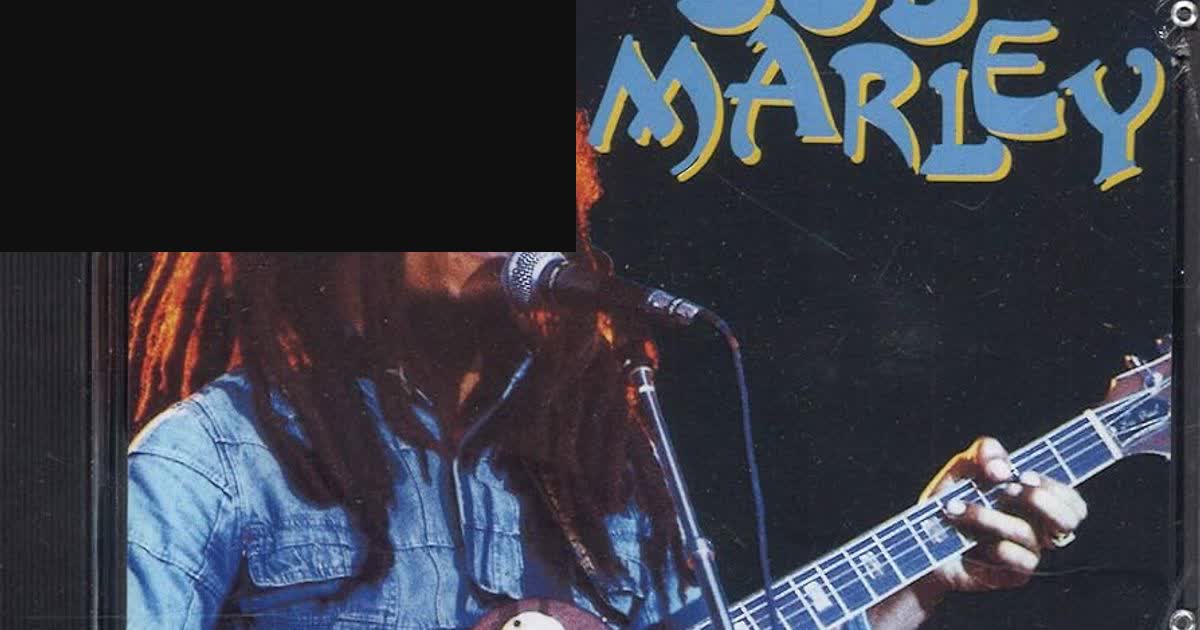
Reggae’s foundation lies in African drumming traditions, carrying within it the ancestral memory of those brought to Jamaica in chains. The bass lines speak of grounding, of connection to the earth and to Jah. The lyrics became mantras of liberation, echoing Bob Marley’s declaration: “Emancipate yourselves from mental slavery.”
Conscious Lyrics and Spiritual Truth
Where reggae truly manifests its Rastafari essence is in its lyrical content. Roots reggae artists transformed the medium into a platform for teaching and preaching. Peter Tosh proclaimed “Equal Rights and Justice,” while Burning Spear’s “Marcus Garvey” became a historical and spiritual education. These were not mere songs—they were reasoning sessions set to music.
The themes of reggae reflect core Rastafari principles: the divinity of Emperor Haile Selassie I, the dignity of Black people, the corruption of Babylon systems, the sacredness of the natural Ital livity, and the promise of repatriation to Zion (Africa). Every conscious reggae artist becomes a griot, carrying forward African oral tradition and spiritual wisdom.
Unity and Resistance
Reggae music broke through the barriers that separated people. Its universal message of love, peace, and resistance to oppression reached across continents. Bob Marley became the first Jamaican artist to achieve global superstardom, and with that platform came Rastafari teachings to millions who had never heard of Haile Selassie.
The music served as a form of resistance against colonial mentality and systemic oppression. In Jamaica, where poverty and marginalization were the reality for most, reggae articulated the voiceless and validated the struggles of the sufferers. It was revolutionary music dressed in spiritual garments.
The I-Mediation and Studio as Temple
Recording studios became modern temples where producers like Lee “Scratch” Perry and engineers like Sylvan Morris captured more than just sound—they captured the spiritual frequency of a movement. The production techniques, the echo and reverb, the spacious arrangements, all reflected Rastafari’s meditative approach to existence. The music wasn’t just heard; it was felt in the bones.
Many reggae musicians approached their craft as a spiritual practice. The practice of reasoning over riddims, of meditation through performance, transformed the concert venue into a gathering place for collective consciousness-raising.
Beyond Bob Marley: The Living Tradition
While Bob Marley remains the most recognized figure, reggae’s Rastafari essence continues through generations. Artists like Ziggy Marley, Chronixx, Protoje, and Kabaka Pyramid carry forward the tradition, updating the message for contemporary times while maintaining spiritual authenticity. They demonstrate that reggae remains a living, breathing expression of Rastafari livity.
The riddim itself—whether roots reggae, dancehall, or contemporary iterations—continues to carry the African heartbeat that connects Rastafari to its ancestral source.
Conclusion: The Eternal Sound
Reggae and Rastafari represent a sacred partnership. The music provides the frequency through which Rastafari consciousness travels through time and space, reaching hearts and minds. It is both mirror and window—reflecting the reality of the sufferers while offering a window into higher consciousness and divine truth.
As long as there is injustice to oppose and divine truth to express, reggae will continue as the voice of Rastafari reasoning. The one-drop rhythm beats on, carrying the message: Out of many, one people. One love. One heart. Let’s get together and feel alright.
Jah bless the riddim and the reasoning.